The Ministers Office
Built: Built: 1889-1905
Date of Incident: 19.04.1022
Demolished Time: 19.04.1044
Location Address: 300 Adipati Road
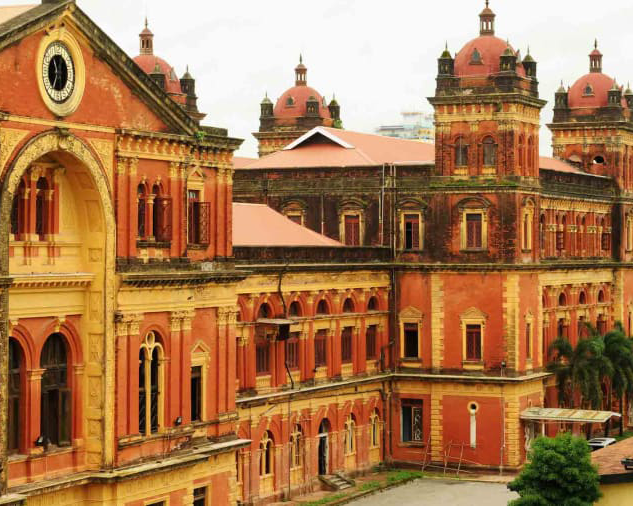
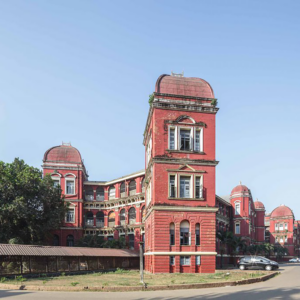
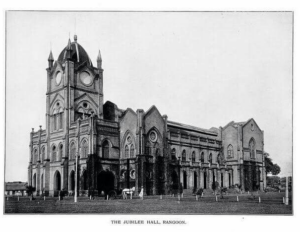
Repurposing This building was built to govern British rule in the colonized countries. It became the main centre firstly of Burma and later of the British colonies in Southeast Asia. Built-in several stages between 1889 and 1905, it became the administrative centre of British Burma. An epic symbol of British rule was the Ministers’ Office, a haunted monument to the broken dreams of Burmese independence. Despite being officially known as Minister’s Building today, its historic name still sticks. As the country launches into a spectacular and uncertain period of change, so will this vast, vacant, and delicate complex search for a role in the new Myanmar. This building is not only a building of oppression but also a vessel of sentimental memories due to the critical historic moments that happened here. From Administration buidling to heritage building. The Secretariat is also central to Burma’s independence struggle as a symbol of colonialism. In 1938, The following year, student protestors in Mandalay demanded the release of anti-British activists. The movement escalated and reached Yangon. When mounted police tried to disperse the protestors in Mandalay (city, about 670 km northwest of Yangon) demanded the release of anti-British activists. The movement escalated and reached Yangon. When mounted police tried to disperse the protestors, they killed a young man called Aung Kyaw, an important student leader. The street east of the Secretariat bears his name today Sparks Street in Downtown Yangon was changed to Bo Aung Kyaw Street in 1956 due to the place of his murder. On 20th December 1938, British police officers killed him with a wooden stick, recalls Aung Saw Oo.