Civic Spaces by Generation
First Generation
Marked by (1) Burmese Independence Army (2) Independent Movement, (3) and the Peak Cook Fight
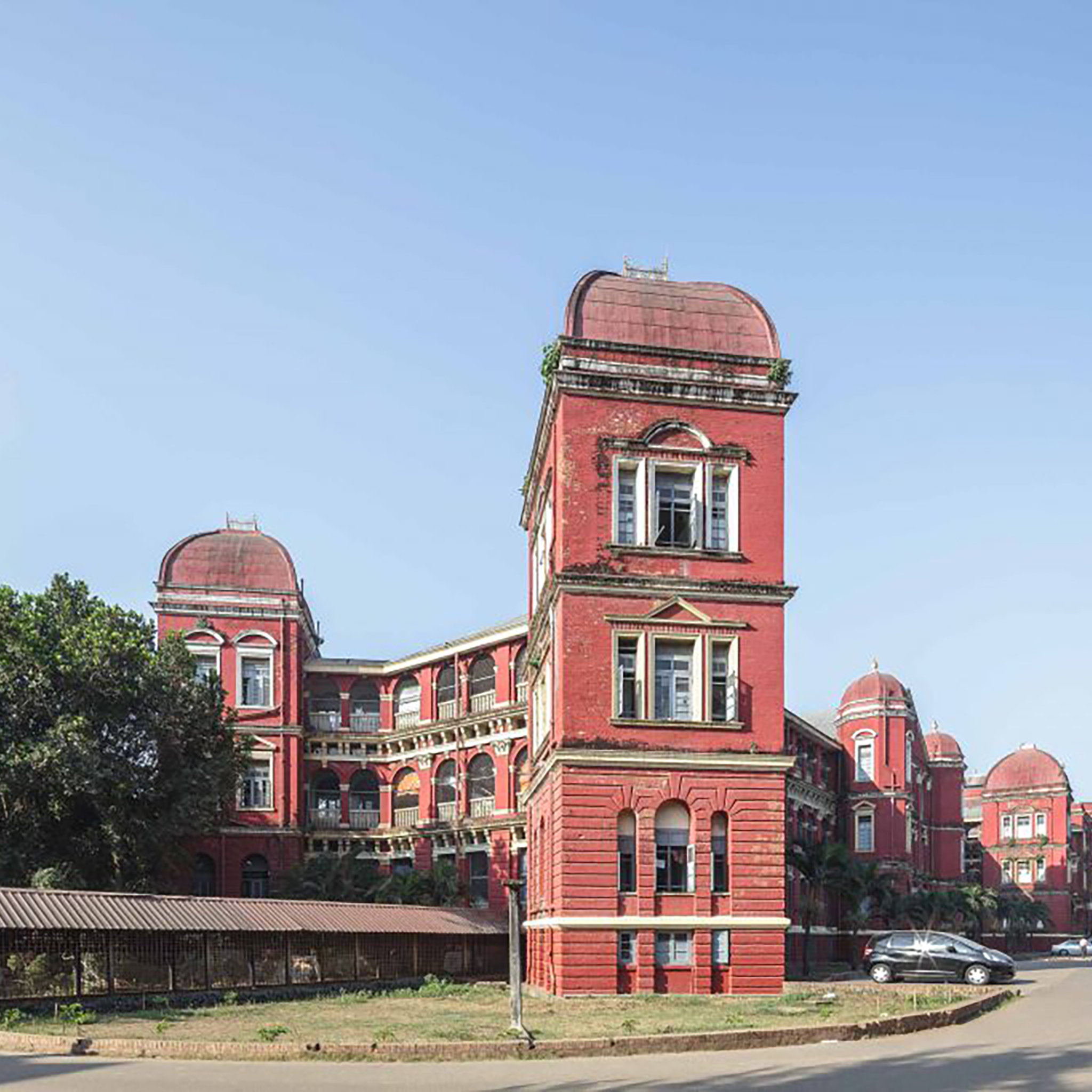
General Hospital
Yangon General Hospital, a colonial-era landmark, pioneered modern medicine in Myanmar and became a symbol of resilience during the 1988 Uprisings amid tragic violence.
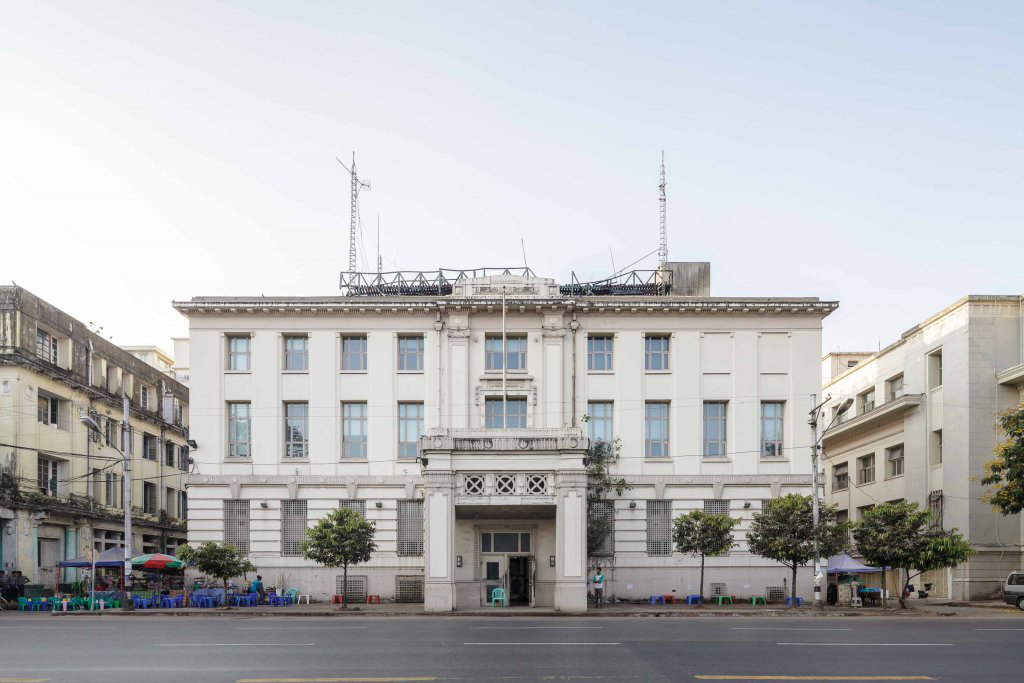
Former US Embassy
Built in 1926 in Yangon’s Commerce District, this former US Embassy blends colonial-modern design with historic significance tied to Myanmar’s 1988 democracy uprising.
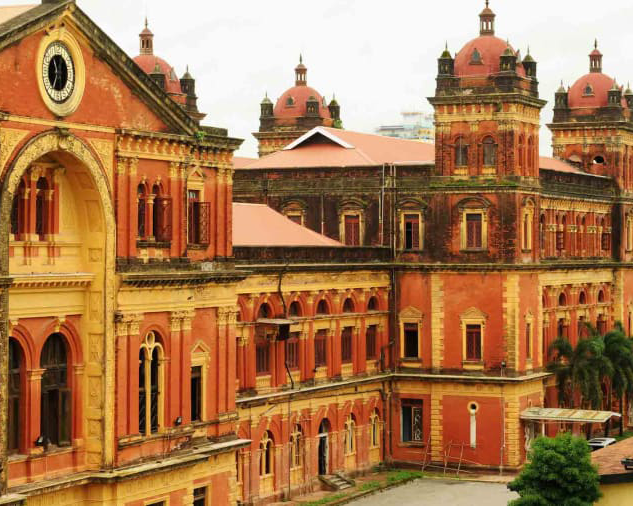
The Ministers Office
Built between 1889–1905, the Secretariat served as British Burma’s administrative hub and a symbol of colonial rule, later central to independence struggles and historic protests.
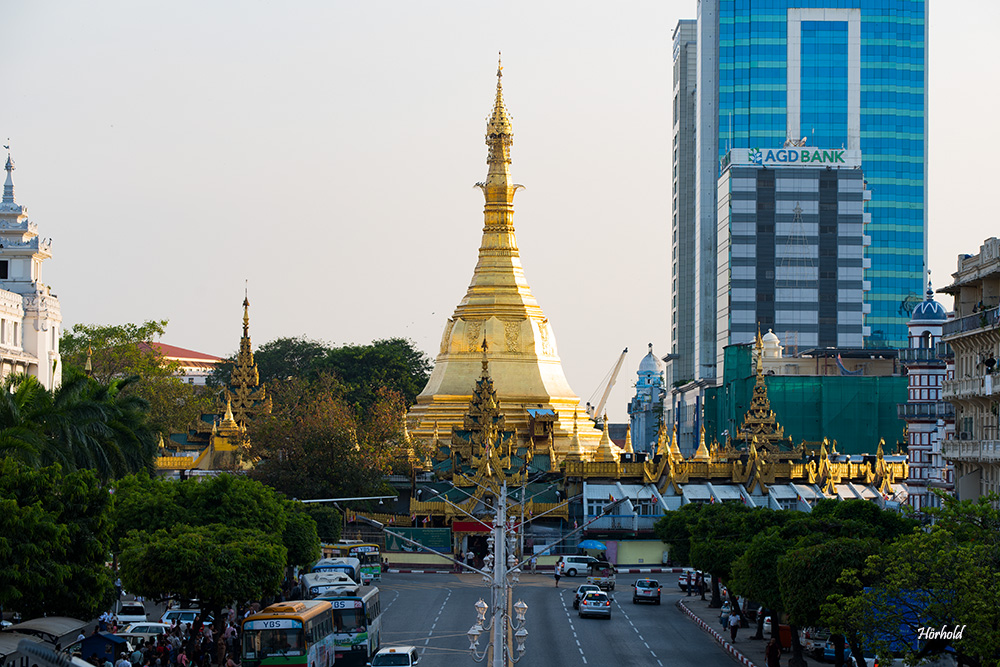
Sule Pagoda
Sule Pagoda, dating to the 5th century BC, became the colonial center of Yangon’s street grid and remains a historic, crowded landmark amid modern city traffic.
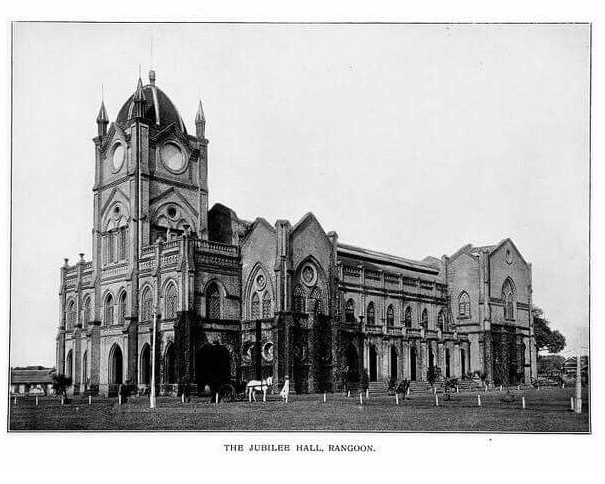
Jubilee Hall
Built in 1897, Jubilee Hall was a Gothic-style hub for politics, culture, and national events, hosting key moments in Myanmar’s independence before its demolition in 1985.
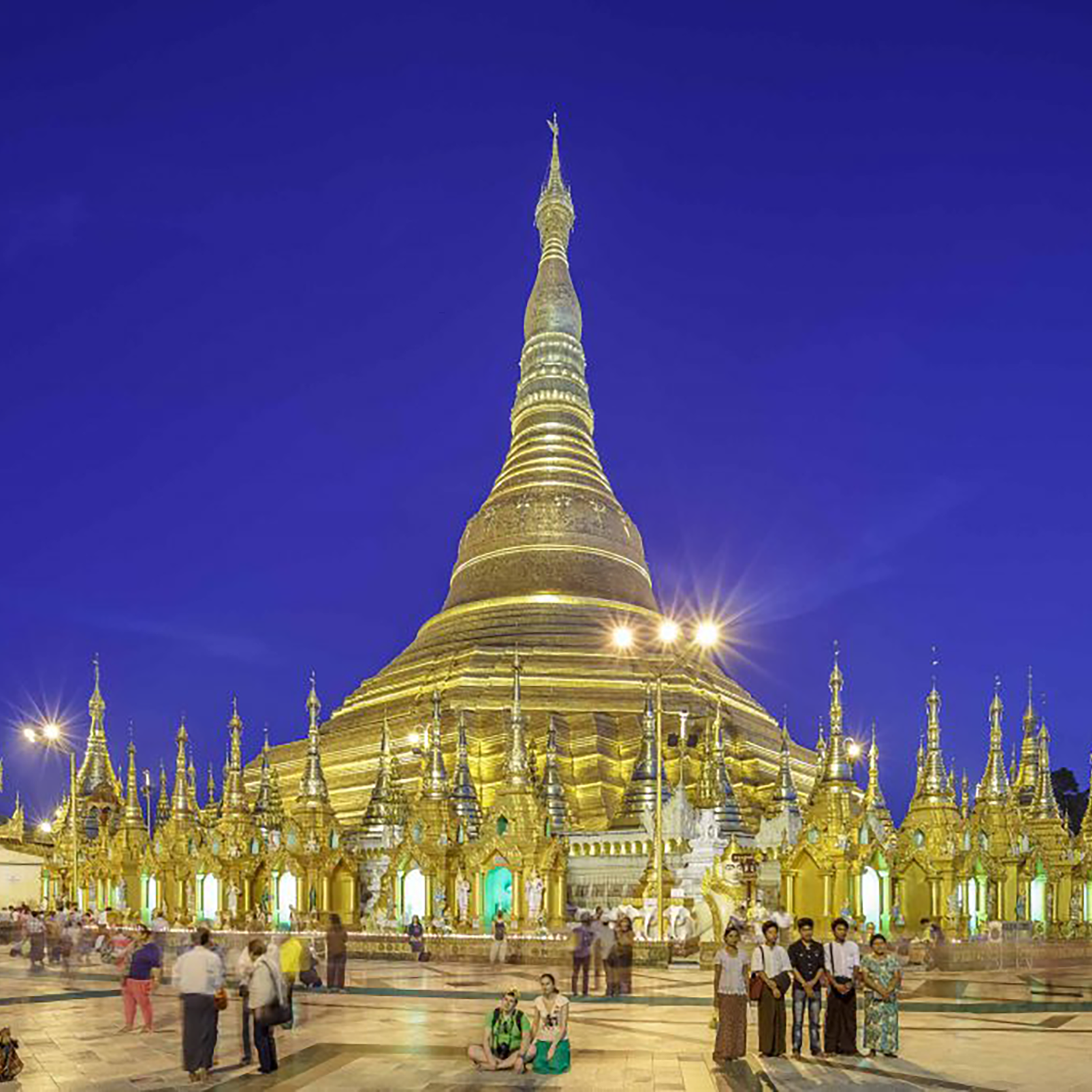
Shwedagon Pagoda
The Shwedagon Pagoda, over 2,500 years old, dominates Yangon’s skyline at 170 m, serving as Myanmar’s spiritual heart and a historic site for political rallies.
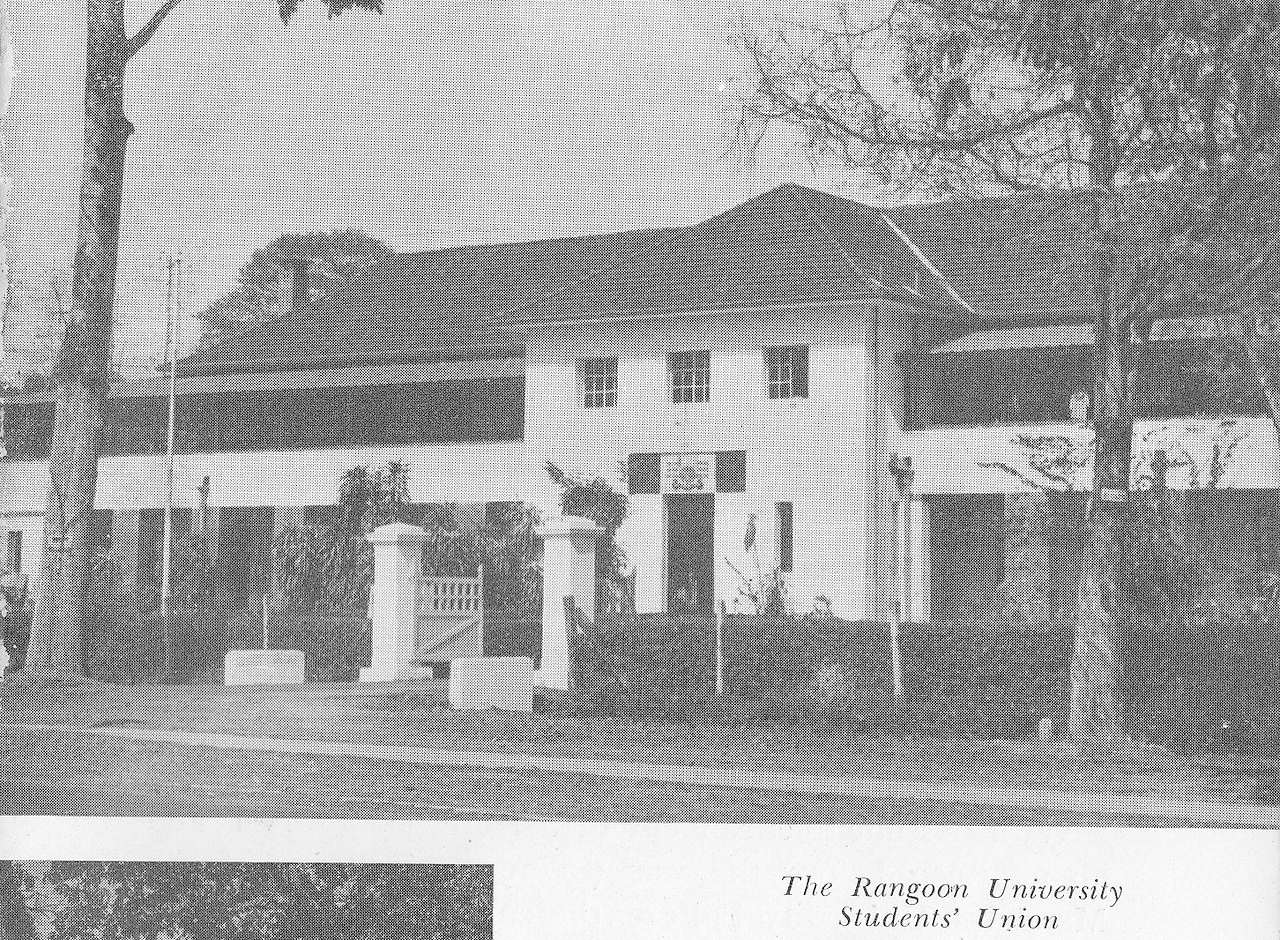
Historic Rangoon University Student Union (RUSU)
The historic Rangoon University Student Union Building, completed in 1931, became a powerful symbol of student activism, anti-colonial nationalism, and political change in Myanmar.
Second Generation
After Ne Win’s 1962 coup, student protests were crushed, universities shut repeatedly, and activism forced underground until major uprisings like 1988.
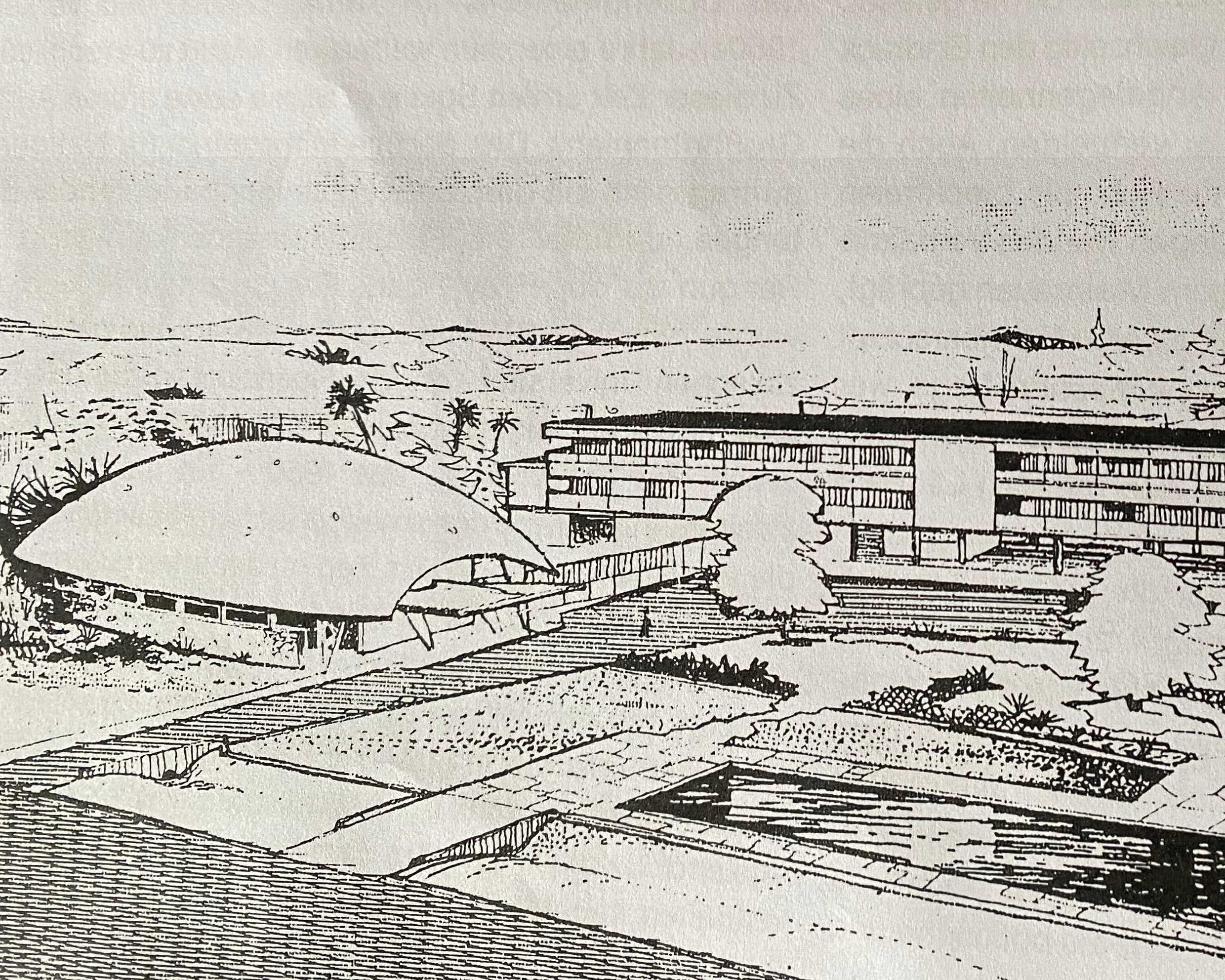
The Dome at Institute of Medicine
The former Rangoon Engineering College, now Institute of Medicine 1, was a key student civic space known for its iconic Dome Hall, cultural events, and political history.
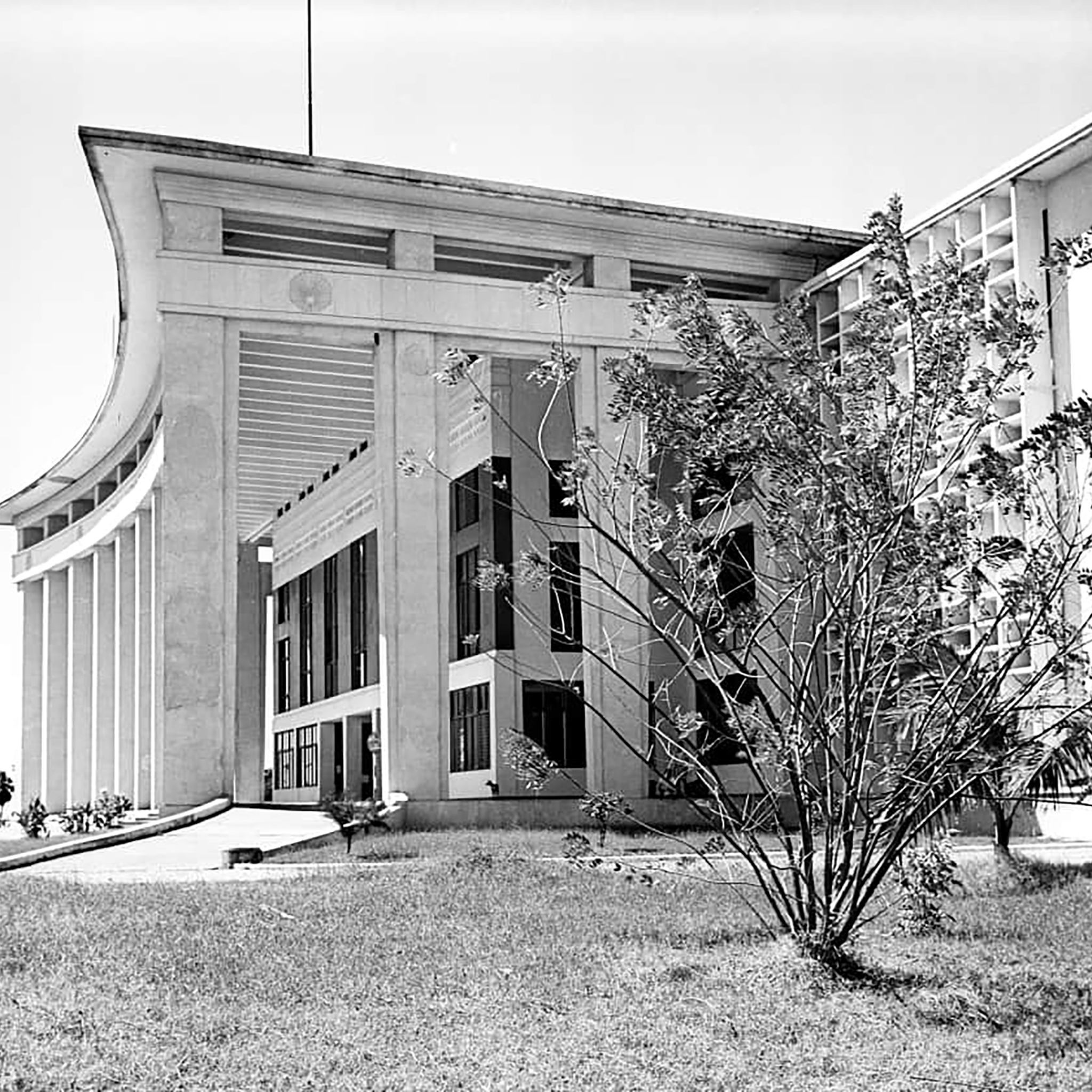
RIT Rangoon Institute of Technology
Built in 1958 by Soviet architect Pavel Steniushin, RIT was Myanmar’s first architecture school, later renamed Yangon Technological University and linked to major student protests including the U Thant crisis.
Third Generation
In 1974, Myanmar students protested after Ne Win’s regime denied U Thant a proper memorial and restricted public access to his funeral.
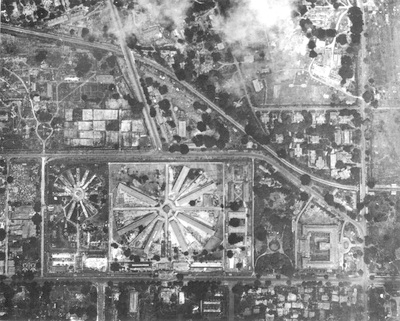
Historic Rangoon Downtown Prison
Built in 1866 alongside Insein Prison, Rangoon Downtown Prison held Burmese political prisoners and wartime detainees, becoming a key site of colonial control and later student activism.
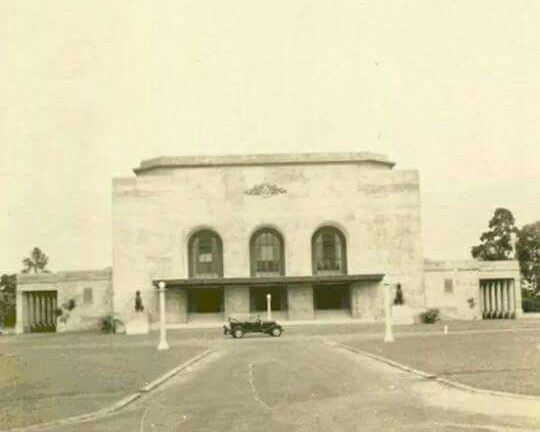
Convocation Hall, Yangon University
Founded in 1887, Yangon University became Myanmar’s leading university and a historic center of political activism, reform, and resistance movements.
Fourth Generation
After Ne Win’s 1962 coup, student protests were crushed, universities shut repeatedly, and activism forced underground until major uprisings like 1988.
Fifth Generation
The 2007 Saffron Revolution saw monks and students protest rising hardship and military rule, using boycotts and mass demonstrations to demand democracy.
Sixth Generation
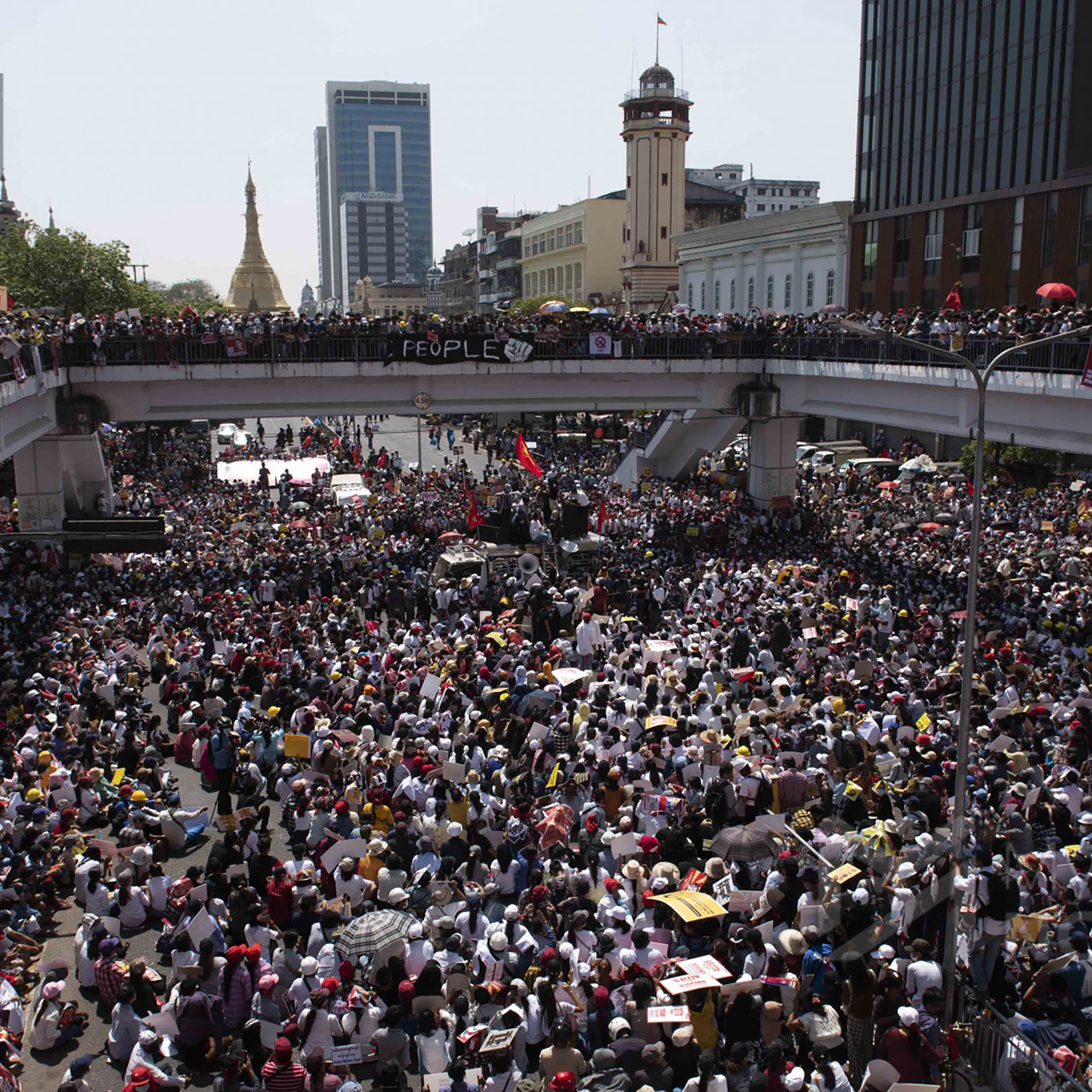
The 2021 Golden Spring Revolution began after Myanmar’s military coup, sparking mass protests and civil disobedience that evolved into armed resistance.